When you’re investing in a new construction project, whether it’s your dream home or a commercial property, every detail matters. But there’s one crucial aspect that often gets overlooked until it’s too late: new construction waterproofing. This isn’t just an optional add-on – it’s the foundation of your building’s long-term health and your peace of mind.
Why New Construction Waterproofing Is Non-Negotiable?
Picture this: you’ve just moved into your beautiful new home, and after the first heavy rain, you discover water pooling in your basement. What should have been a celebration becomes a nightmare of repairs, mold remediation, and structural concerns. This scenario is entirely preventable with proper new construction foundation waterproofing.
The reality is that even newly poured concrete is porous. Without proper protection, water will find its way through microscopic gaps and eventually cause significant damage. When you invest in waterproofing during the construction phase, you’re not just preventing immediate problems – you’re safeguarding your investment for decades to come.
Understanding the Threats: What Your Foundation Faces?
Your new construction faces multiple water-related threats from the moment the foundation is poured. Understanding these challenges helps explain why foundation waterproofing of new construction is so critical.
Groundwater Intrusion
Groundwater levels fluctuate with seasons, weather patterns, and local drainage conditions. Even if your building site seems dry during construction, changing conditions can bring water into contact with your foundation walls. Without a proper waterproofing foundation in new construction, this moisture will eventually find its way inside.
Hydrostatic Pressure
When water accumulates around your foundation, it creates hydrostatic pressure – essentially, water pushing against your foundation walls. This pressure can force water through even the smallest cracks and pores in concrete. Over time, this pressure can actually cause structural damage, leading to bowed walls and foundation failure.
Surface Water and Poor Drainage
Heavy rains, snowmelt, and inadequate site grading can direct surface water toward your foundation. Without proper waterproofing and drainage systems, this water can overwhelm your foundation’s natural resistance and lead to water in the basement in new construction scenarios.
Soil Conditions and Seasonal Changes
Different soil types retain and drain water differently. Clay soils, for example, expand when wet and contract when dry, creating movement that can stress foundation walls. Sandy soils may drain quickly, but can also allow water to flow directly to your foundation during heavy rains.
The Science Behind Effective New Construction Waterproofing
Modern new construction basement waterproofing isn’t just about slapping on a coat of sealant and hoping for the best. It’s a sophisticated system that addresses multiple potential failure points through layered protection.
Advanced Membrane Technology
Today’s waterproofing membranes are engineered to move with your foundation as it settles and expands. These materials create a continuous barrier that can bridge hairline cracks before they become major problems. The best systems combine:
- Flexibility to accommodate foundation movement
- Durability to last the lifetime of the structure
- Adhesion that won’t fail over time
- Chemical resistance to soil conditions and groundwater
Integrated Drainage Systems
Waterproofing isn’t just about keeping water out – it’s also about managing the water that does accumulate around your foundation. Professional new build basement waterproofing includes comprehensive drainage solutions:
- Footing Drains: These systems collect water at the foundation’s base and direct it away from the structure before pressure can build up.
- Drainage Boards: These create an air gap between the waterproofing membrane and the soil, allowing water to flow down to the drainage system rather than sitting against your foundation.
- Proper Grading: The soil around your foundation should slope away from the building, directing surface water away from your walls.
The New Construction Advantage: Timing Is Everything
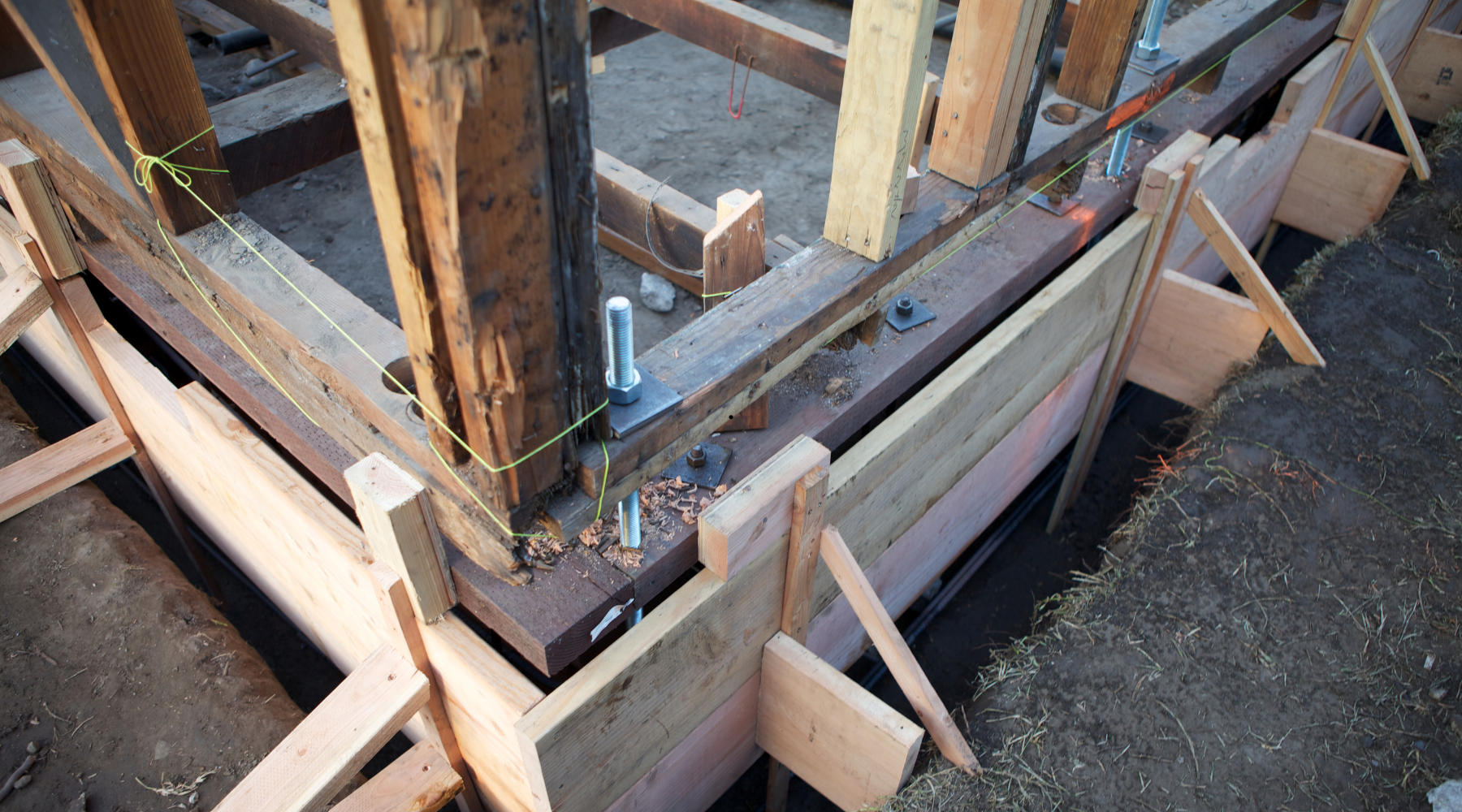
There’s a critical window of opportunity in new construction that you’ll never get again: the period before backfilling when your foundation walls are fully exposed and accessible. This is when new construction waterproofing can be applied most effectively and economically.
Complete Access Means Complete Protection
During new construction, waterproofing professionals can:
- Inspect every inch of the foundation for defects
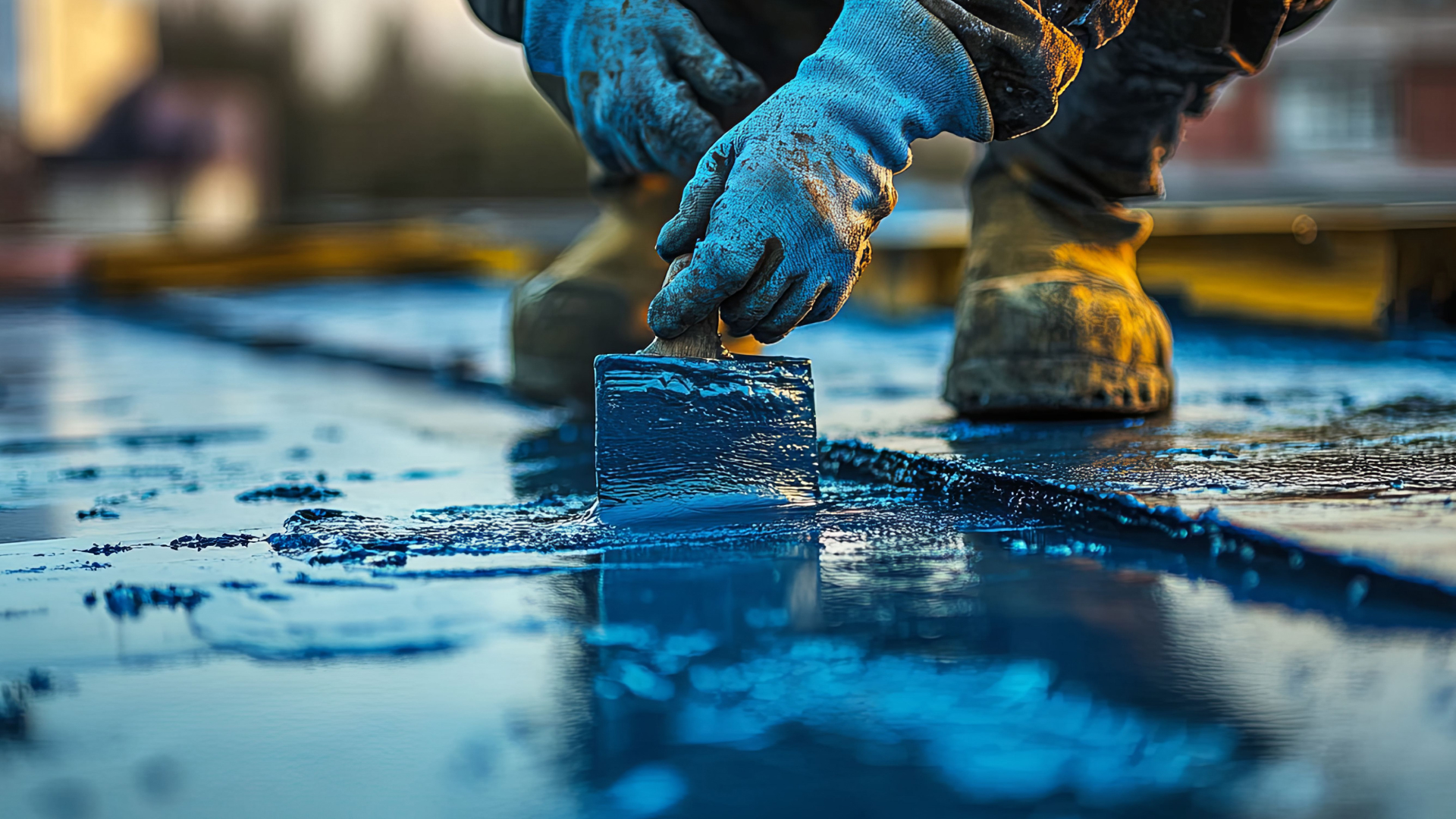
- Apply waterproofing materials evenly and completely
- Install drainage systems properly
- Test the system before backfilling
- Make adjustments if needed
Once the soil is backfilled around your foundation, accessing the exterior walls requires expensive excavation. This is why retrofit waterproofing costs so much more than new construction applications.
Quality Control and Testing
New construction allows for proper curing times, weather considerations, and quality control measures that aren’t possible with retrofit applications. Professional installers can ensure that:
- Surface preparation is perfect
- Application conditions are optimal
- Multiple coats cure properly between applications
- Drainage systems are tested before covering
Modern Waterproofing Systems: Beyond Basic Protection
Today’s new construction foundation waterproofing systems are far more sophisticated than the tar-based coatings of the past. Modern systems offer multiple layers of protection that work together to create an impenetrable barrier.
Primary Waterproofing Layer
This is your main defense against water intrusion. Modern primary waterproofing typically consists of:
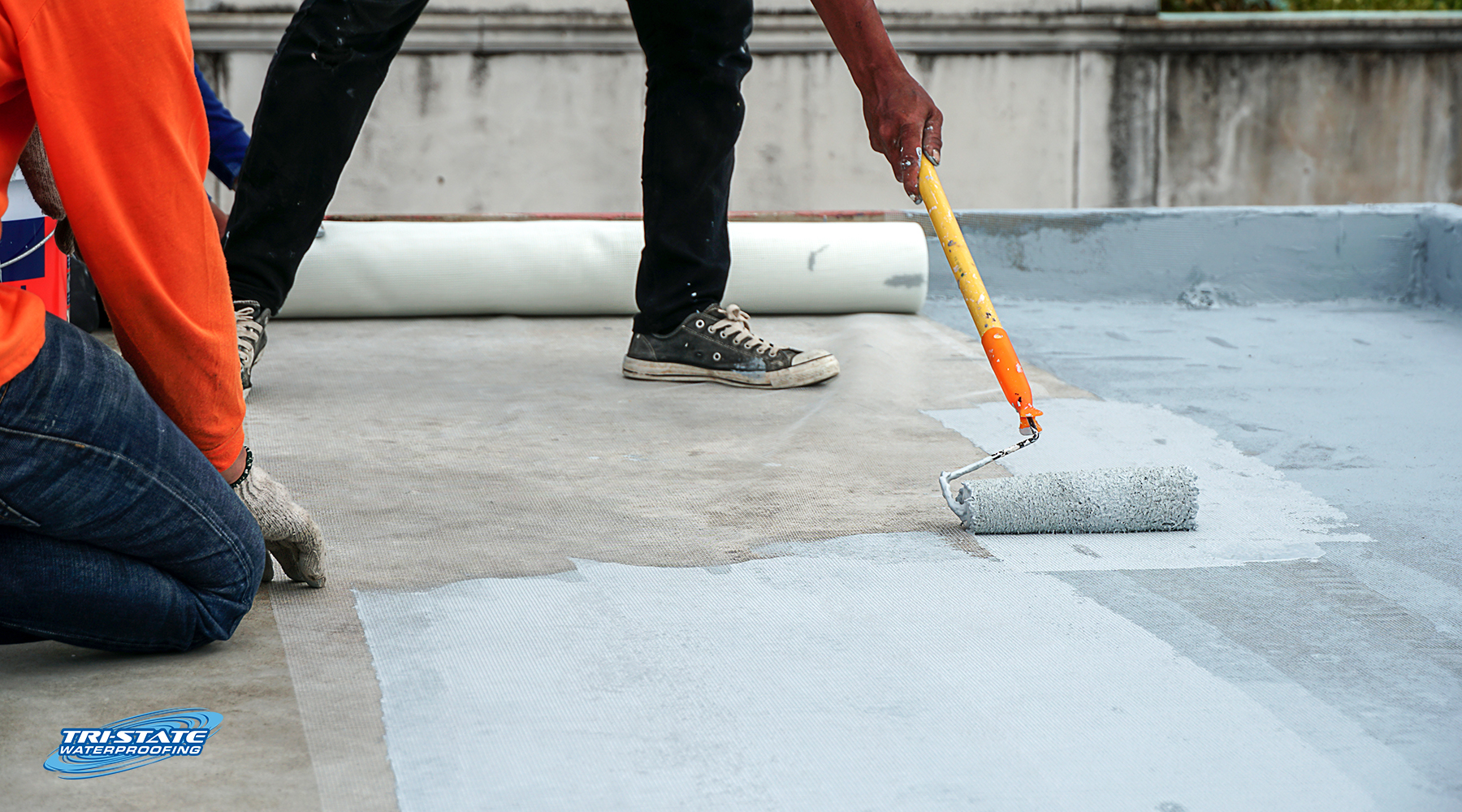
- Liquid-applied membranes that cure to form a seamless barrier
- Sheet membranes that provide consistent thickness and coverage
- Crystalline additives that actually seal concrete from within
Secondary Protection Systems
The best waterproofing systems don’t rely on a single point of failure. Secondary protection includes:
- Drainage layers that manage any water that gets past the primary barrier
- Vapor barriers that prevent moisture transmission through foundation walls
- Protective boards that shield the waterproofing from damage during backfilling
Interior Moisture Management
Even with excellent exterior waterproofing, interior moisture management is crucial for new construction basement waterproofing. This includes:
- Proper ventilation to prevent condensation
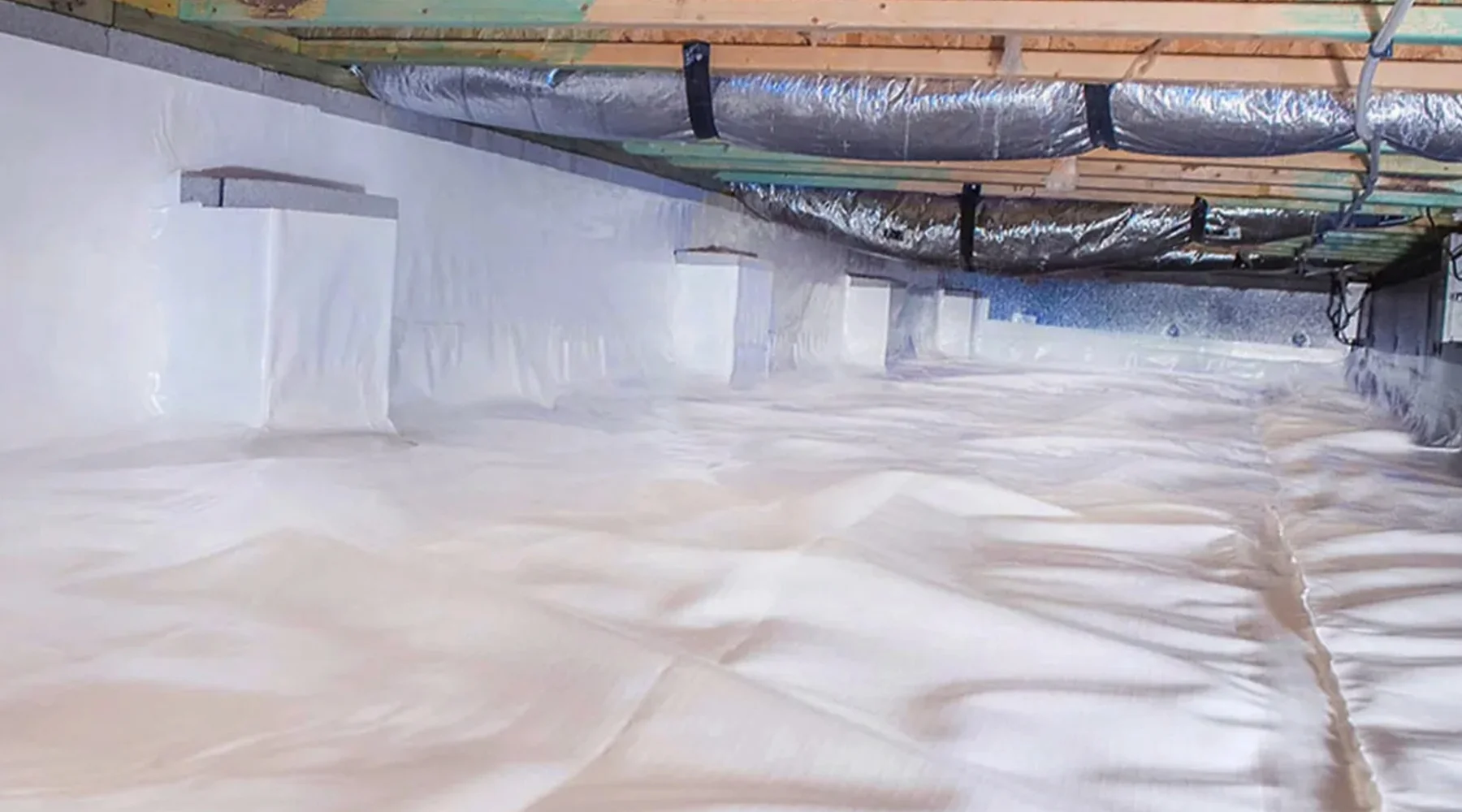
- Vapor barriers under basement slabs
- Sump pump systems for areas with high water tables
- Dehumidification systems for optimal indoor air quality
The Professional Difference: Why DIY Isn’t an Option
While many construction tasks can be handled by skilled DIYers, waterproofing a foundation in new construction isn’t one of them. Professional installation is crucial for several reasons:
Expertise in System Selection
Different foundation types, soil conditions, and local climate factors require different waterproofing approaches. Professional contractors understand:
- Which systems work best in specific conditions
- How to integrate waterproofing with other building systems
- Local building codes and requirements
- Long-term performance expectations
Proper Installation Techniques
Waterproofing installation requires specialized knowledge and equipment:
- Surface preparation that ensures proper adhesion
- Application techniques that prevent gaps and weak spots
- Quality control measures throughout the process
- Integration with drainage and other building systems
Warranty and Long-term Support
Professional installation typically comes with warranties that protect your investment. This includes:
- Material warranties from manufacturers
- Installation warranties from contractors
- Ongoing support for maintenance and repairs
- Documentation for insurance and resale purposes
Conclusion: Your Foundation’s Future Starts Today
New construction waterproofing isn’t just about preventing water problems – it’s about ensuring that your investment remains sound for decades to come. Whether you’re building a new home or a commercial facility, proper waterproofing is one of the most important decisions you’ll make.
The window of opportunity for cost-effective, comprehensive waterproofing is narrow – it exists only during the construction phase when your foundation walls are accessible. Once that opportunity passes, you’re left with expensive retrofit options that may never provide the same level of protection.
At Tri-State Waterproofing, we understand the unique challenges of new construction basement waterproofing in Georgia’s climate and soil conditions. Our 23+ years of experience have taught us that the best time to protect your foundation is before problems develop. We work with builders, homeowners, and developers to ensure that every new construction project starts with a solid, dry foundation.
Don’t let your dream building become a nightmare of water problems. Invest in professional new construction foundation waterproofing and protect your investment from day one. Contact us today for a free consultation and learn how we can help you build with confidence, knowing your foundation is protected for life.
FAQ’S
1. Is waterproofing necessary for new construction?
Yes, waterproofing is very important in new construction. It protects the building from water leaks, dampness, and mold. Doing waterproofing early saves money later by preventing damage to walls, floors, and the foundation.
2. How to waterproof a foundation in new construction?
To waterproof a foundation, builders usually:
- Clean and seal the foundation walls.
- Apply a waterproof coating or membrane to block moisture.
- Add drainage systems, like pipes or gravel, to move water away.
- Use a protective board or barrier before filling the soil back in.
- This helps keep the basement or foundation dry for years.
3. What material is 100% waterproof?
Some materials that are considered 100% waterproof include:
- Bituminous membrane
- Liquid rubber coatings
- Polyurethane sealants
- PVC or EPDM sheets
- These materials completely block water when applied correctly.
4. How is waterproofing done in construction?
Waterproofing is done by applying special coatings, membranes, or sealants to areas where water could enter — like roofs, bathrooms, basements, and walls. It can be done using liquid coatings, sheet membranes, or cement-based mixes, depending on the surface and project needs.